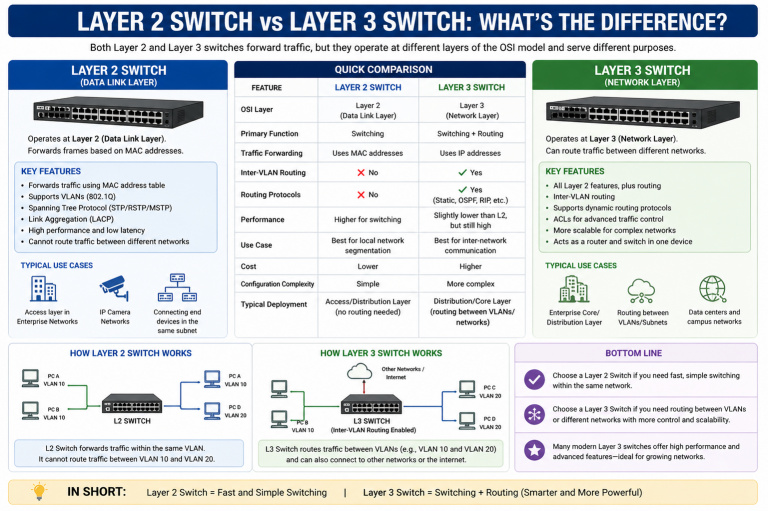
Layer 2 Switch vs Layer 3 Switch: What’s the Difference?
To clearly understand the difference between a Layer 2 switch and a Layer 3 switch, it is important to first understand where they…
Read articleEDITORIAL TOPIC / EXAMTOPICS EDITORIAL
Routing, switching, wireless networks, network architecture and services.
To clearly understand the difference between a Layer 2 switch and a Layer 3 switch, it is important to first understand where they…
Read article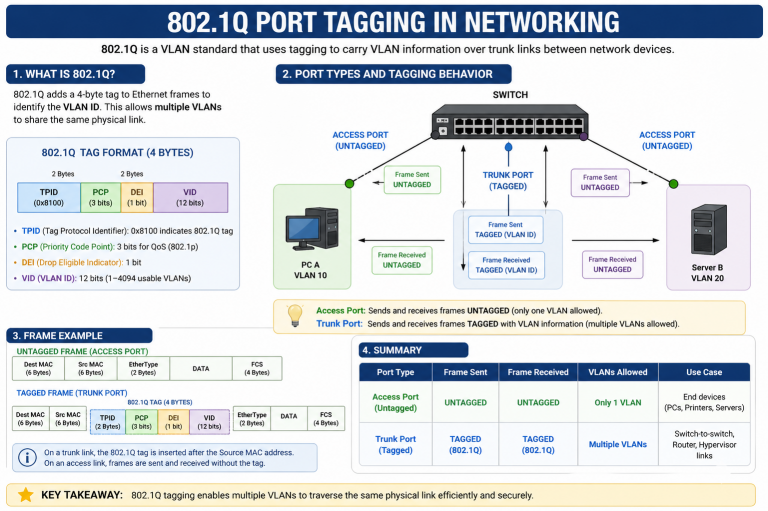
802.1Q port tagging is a fundamental mechanism used in Ethernet networking to support Virtual Local Area Networks, commonly known as VLANs. It enables…
Read article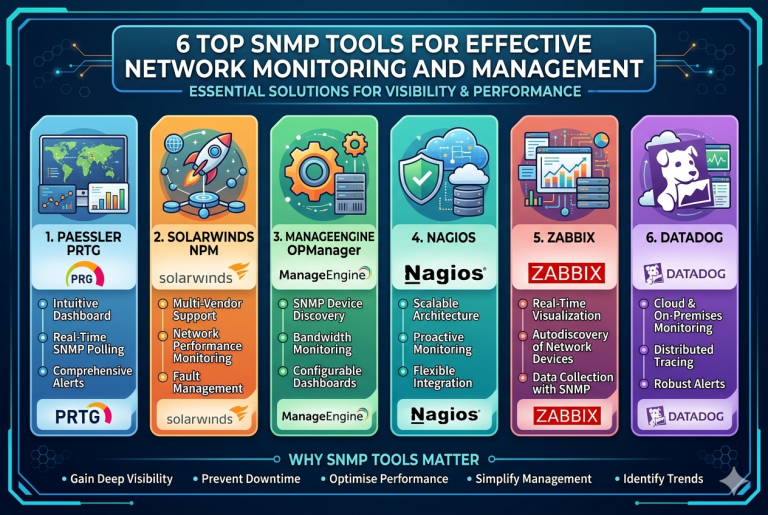
PRTG Network Monitor stands out for its flexibility, scalability, and ease of deployment, making it a popular choice for both small businesses and…
Read article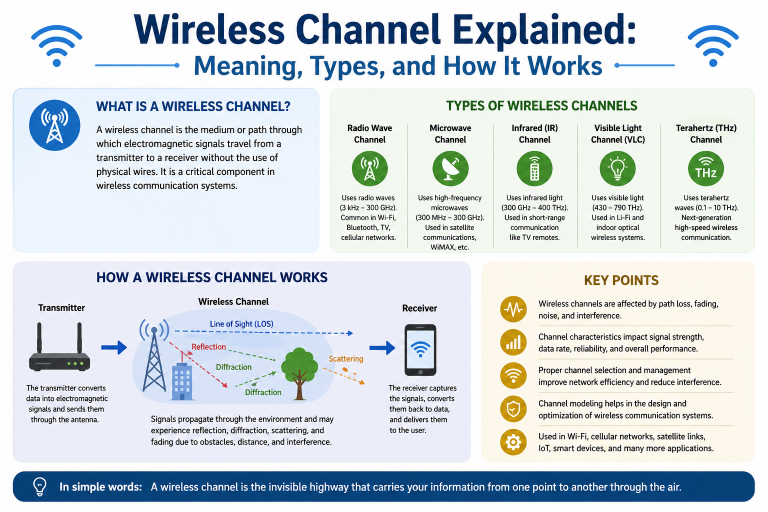
Wireless channels are not static; they are highly dynamic and unpredictable in nature. Unlike wired communication, where the signal path is fixed and…
Read article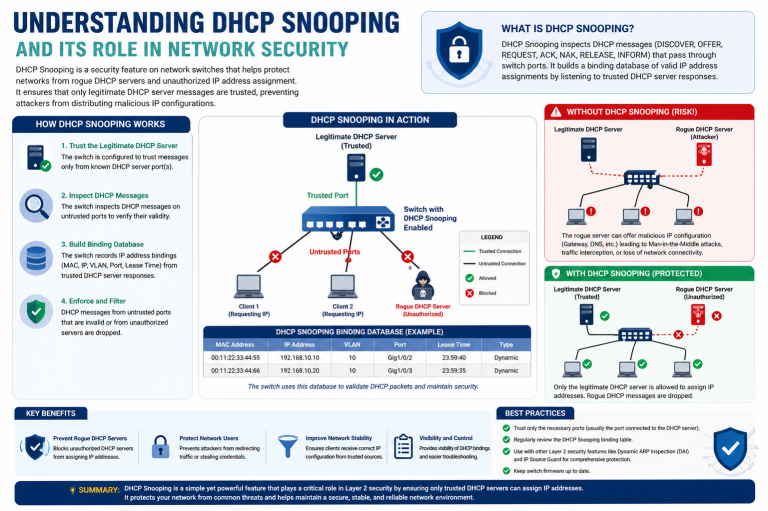
DHCP snooping is a switch security feature that inspects DHCP traffic on configured Layer 2 networks. Its key purpose is to prevent a…
Read article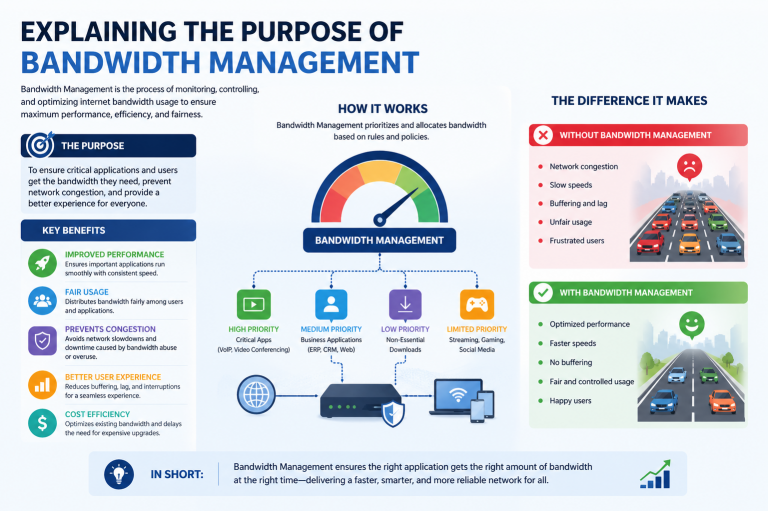
Bandwidth management is a fundamental aspect of modern networking that focuses on controlling the flow of data across communication systems. As digital usage…
Read article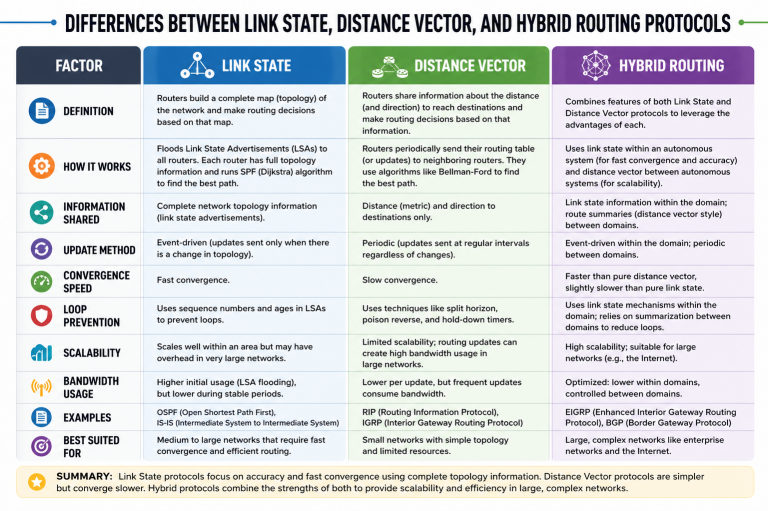
Link state routing protocols are designed to provide routers with a complete and synchronized understanding of the network structure. Instead of relying only…
Read article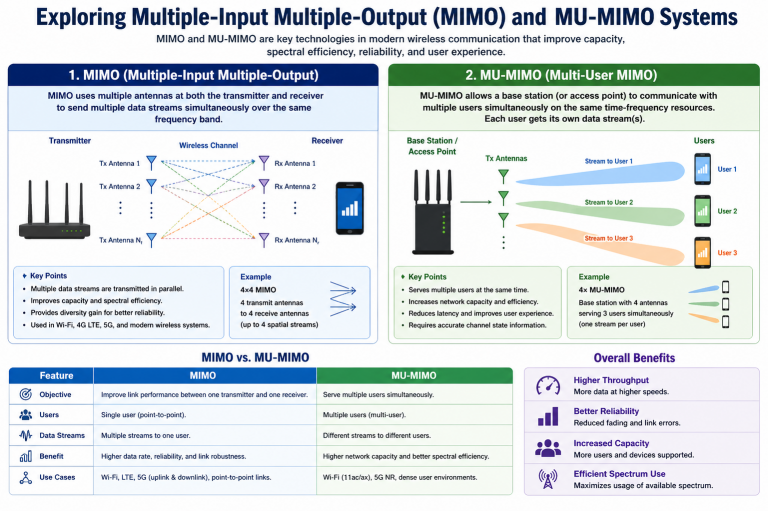
Multiple-Input Multiple-Output systems are built on the concept of using several transmitting and receiving antennas to enhance wireless communication performance. Unlike traditional single-antenna…
Read article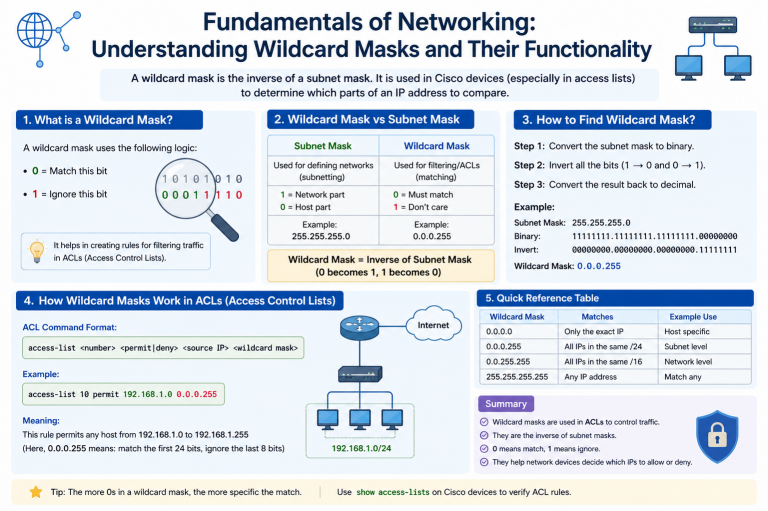
Networking is built on structured communication between devices, and one of the essential components that make this communication efficient is addressing. Within this…
Read article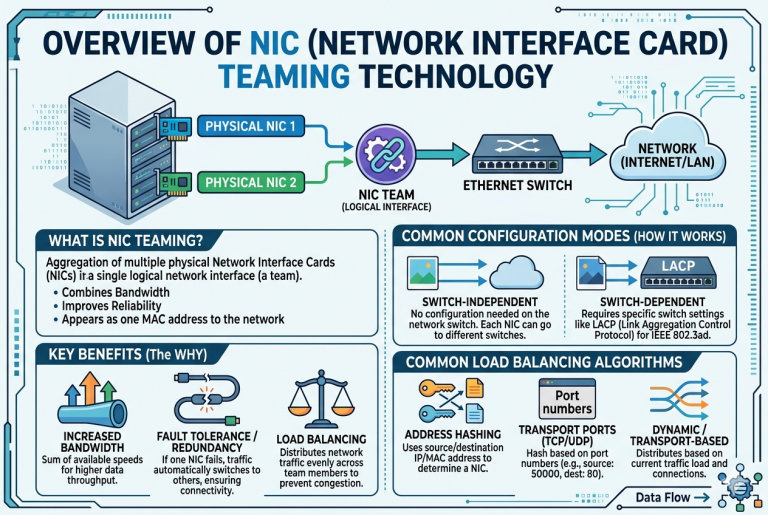
NIC teaming architecture is built on the concept of abstracting multiple physical network adapters into a single logical interface that the operating system…
Read article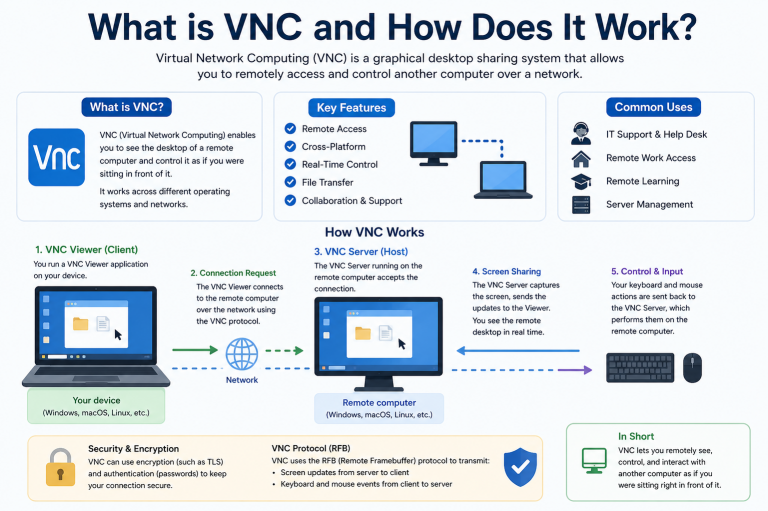
Virtual Network Computing (VNC) is a remote access technology designed to allow one computer to be controlled from another location through a network…
Read article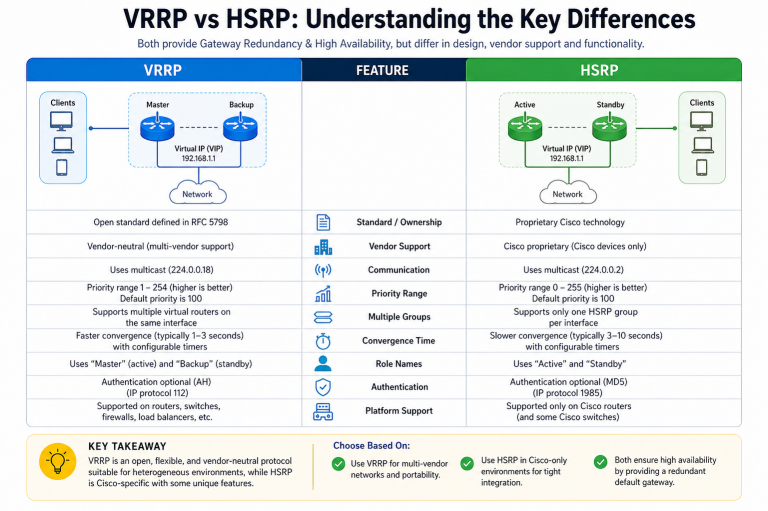
VRRP and HSRP are foundational technologies used in enterprise networks to ensure uninterrupted gateway availability. While the basic idea behind both is simple—providing…
Read article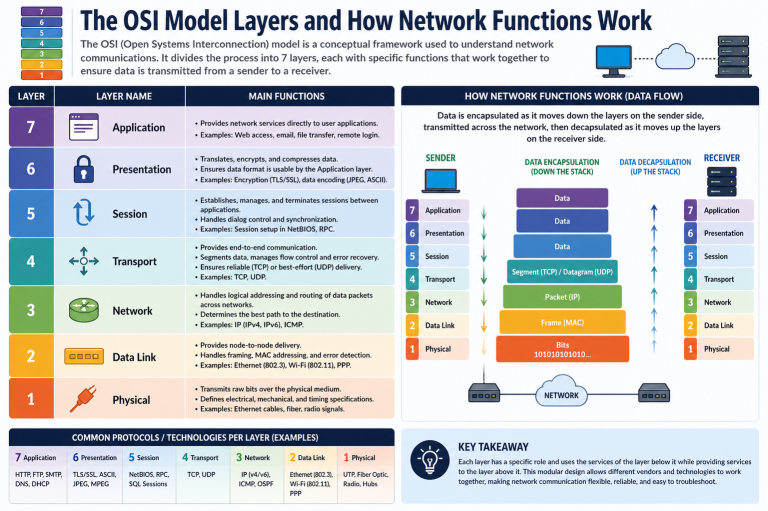
The OSI (Open Systems Interconnection) model is a foundational concept in computer networking that explains how data travels from one device to another…
Read article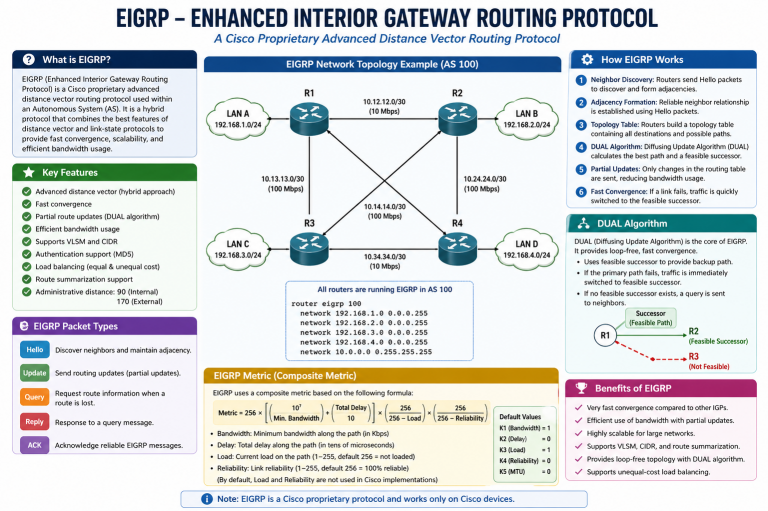
Enhanced Interior Gateway Routing Protocol is a sophisticated routing mechanism used within autonomous systems to enable routers to share information and determine the…
Read article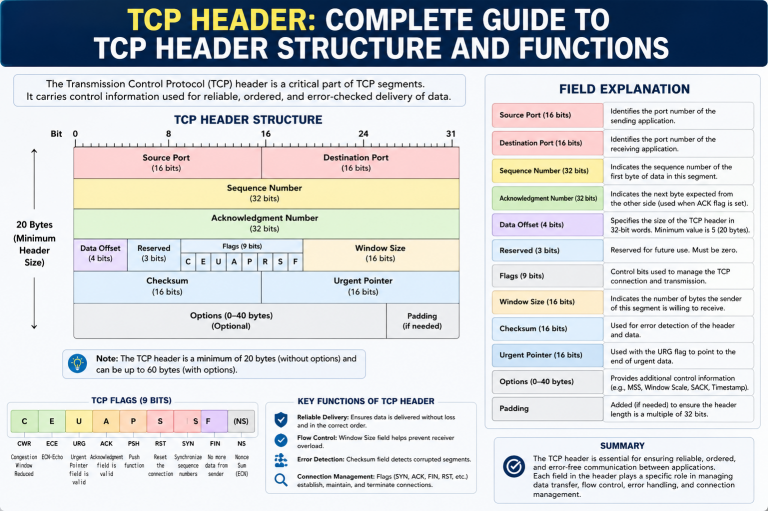
The TCP header is one of the most essential components of network communication because it enables reliable data transfer between devices over interconnected…
Read article