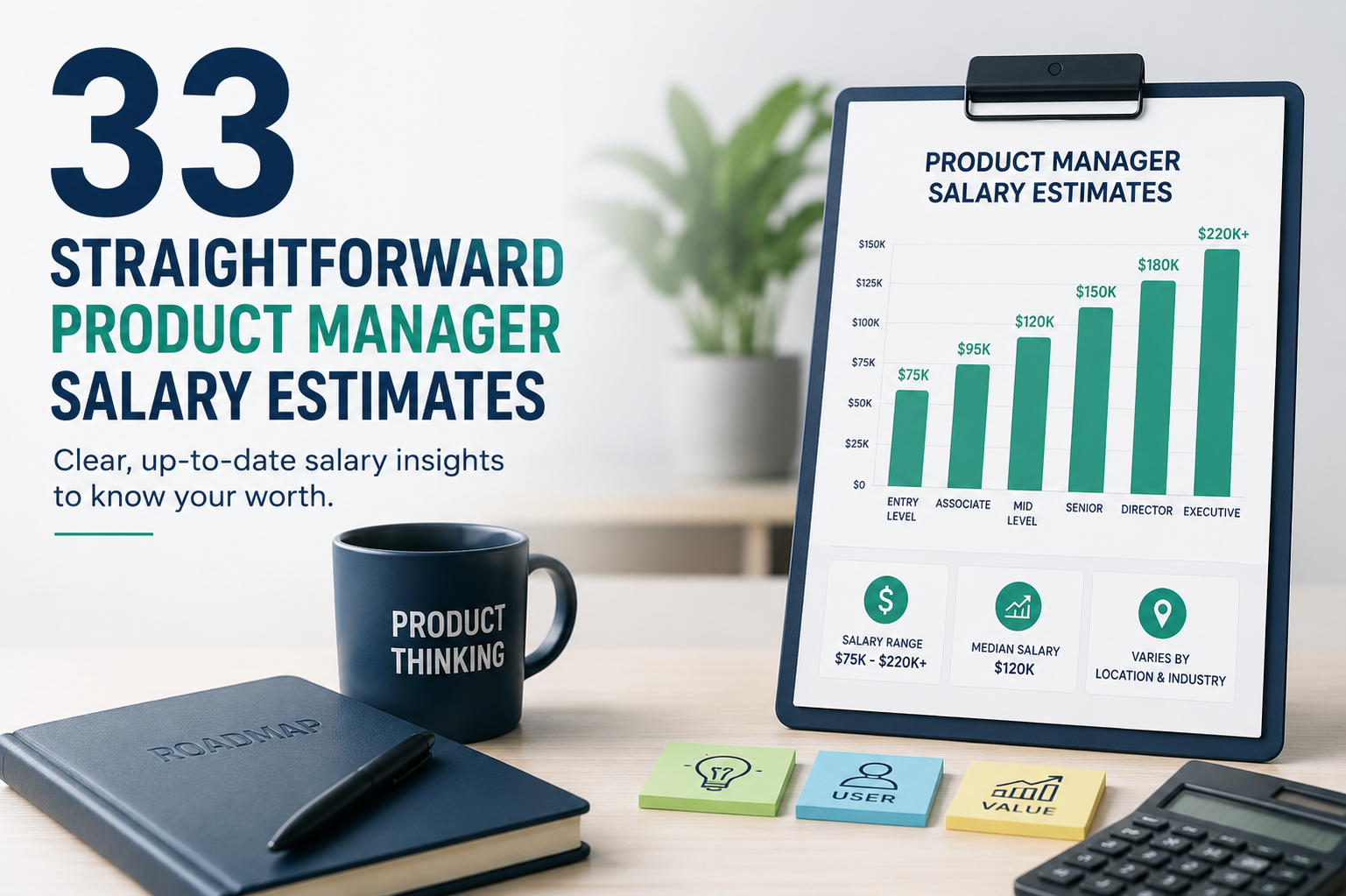
Product management has become one of the most influential roles in modern technology and business organizations. It sits at the intersection of strategy, design, engineering, and customer experience, making it both demanding and highly valued. Because of this strategic importance, salaries for product managers vary widely based on experience, geography, company size, and industry. Understanding realistic salary expectations is essential for anyone entering the field, negotiating compensation, or planning a career path. The following discussion provides a detailed and honest breakdown of what product managers typically earn across different stages and environments, presented as straightforward salary estimates grounded in real-world patterns.
Entry Level Product Manager Salary Expectations
At the beginning of a product management career, salaries are naturally more modest but still competitive compared to many other entry-level corporate roles. Entry-level product managers or associate product managers often earn in a broad range depending on region and organization type. In smaller companies or startups, annual compensation may start around the lower range equivalent of mid-level analyst roles, while in larger tech companies, total compensation can be significantly higher due to bonuses and equity.
A realistic estimate for entry-level product managers generally falls between lower mid-five figures to low six figures annually in many global markets. In high-cost tech hubs, compensation tends to be higher to offset living costs and attract talent. Even at this stage, candidates with strong technical backgrounds, internships, or MBA degrees can command better offers. What stands out most is that product management already positions itself as a premium entry-level career compared to many other fields.
Early Career Product Manager Earnings
Once a product manager gains one to three years of experience, their earning potential increases noticeably. At this stage, individuals typically handle smaller product features or support senior product managers. Their responsibility grows, and so does their compensation.
Early career product managers often see salaries ranging from moderate six figures in stronger markets to slightly lower ranges in smaller ecosystems. In fast-growing technology companies, this stage can also include stock options that significantly increase total compensation value over time. Performance, product success, and cross-functional leadership skills begin to strongly influence salary progression.
Mid-Level Product Manager Salary Range
Mid-level product managers, usually with three to six years of experience, experience one of the most stable and rewarding compensation jumps. At this stage, they are often responsible for full product lines or major features, managing stakeholder expectations and leading cross-functional teams.
Their salaries typically fall into a solid six-figure range, often doubling early-career earnings in competitive industries. In strong tech markets, mid-level product managers may see compensation that includes base salary, annual bonuses, and equity grants that collectively raise total earnings significantly. This is also the stage where negotiation skills become extremely important, as switching companies can sometimes result in substantial salary increases.
Senior Product Manager Salary Estimates
Senior product managers carry significant responsibility, often owning entire product ecosystems or major revenue-generating platforms. Their decisions directly influence company growth, user experience, and financial outcomes.
At this level, compensation becomes highly competitive. Salaries frequently move into high six-figure ranges, with total compensation in some companies crossing into upper tiers due to equity and performance bonuses. Senior product managers are also expected to mentor junior team members, define product strategy, and work closely with executive leadership.
Experience, industry specialization, and leadership capability heavily influence where an individual falls within this range. Those in high-demand sectors like fintech, artificial intelligence, and enterprise SaaS tend to earn on the higher end of the spectrum.
Lead and Principal Product Manager Compensation
Lead and principal product managers operate at an advanced strategic level. They are often responsible for multiple product teams or entire product portfolios. Their role is less about individual feature management and more about long-term vision, market positioning, and business growth.
Compensation at this level is significantly higher than senior roles. It often includes substantial equity packages, performance bonuses, and long-term incentives. These roles are typically found in large tech companies or well-funded enterprises where product strategy directly influences billions in revenue potential.
Salaries in this category can vary widely, but they consistently sit among the top tiers of non-executive corporate compensation structures.
Director Level Product Management Salaries
Directors of product management transition from execution-focused roles to leadership-heavy responsibilities. They manage multiple teams, set product direction across divisions, and work closely with executives such as CTOs and CEOs.
At this level, compensation is significantly influenced by company size and profitability. Large corporations and successful tech firms offer highly competitive packages, often combining high base salaries with substantial bonuses and equity. Directors are expected to align product strategy with business goals, making their role essential to organizational success.
Earnings at this level are typically well into high six figures and can approach executive-level compensation depending on performance and company scale.
Vice President of Product Salary Estimates
Vice Presidents of Product represent the executive layer of product leadership. They are responsible for entire product organizations and have direct influence over company direction, revenue growth, and market expansion.
Their compensation reflects this responsibility, often including high base salaries, performance-based bonuses, and significant equity ownership. In top-tier companies, total compensation for VP-level product leaders can reach multimillion-dollar levels over time when equity appreciates.
At this stage, salary is less about fixed ranges and more about long-term value creation tied to company success.
Industry-Based Salary Variations
Product manager salaries vary significantly across industries. Technology companies generally offer the highest compensation, especially in software, artificial intelligence, and cloud computing sectors. Financial technology firms also offer strong compensation due to the complexity and profitability of their products.
Healthcare, education technology, and nonprofit sectors tend to offer more moderate salaries, though they may compensate with better work-life balance or mission-driven work environments. Traditional industries like manufacturing or retail may offer lower base salaries but still provide stable career growth opportunities.
Geographic Influence on Salary Levels
Location plays a critical role in determining product manager compensation. High-cost cities with strong technology ecosystems typically offer the highest salaries. These include major global tech hubs where competition for talent is intense.
In contrast, emerging markets or smaller cities may offer lower base salaries, but the cost of living adjustment often balances overall quality of life. Remote work has also started to reduce geographic salary gaps, though not completely eliminating them.
Company Size and Compensation Differences
Startup environments often offer lower base salaries but compensate with equity, which can become highly valuable if the company succeeds. Mid-sized companies tend to offer balanced compensation packages with moderate salary and equity components.
Large established companies typically provide the highest stability, with strong base salaries, structured bonuses, and predictable career progression. However, equity upside may be smaller compared to startups.
Skills That Impact Salary Growth
Certain skills significantly influence how quickly a product manager’s salary grows. Strong analytical thinking, technical understanding, leadership ability, and communication skills all contribute to higher earning potential. Product managers who understand data deeply and can make strategic decisions based on insights are often rewarded more generously.
Experience with scalable products, international markets, and complex systems also increases value in the job market.
Career Progression and Long-Term Earnings
Over time, product managers can see substantial income growth as they move into senior and executive roles. Unlike many professions where salary plateaus early, product management offers continuous upward mobility for those who develop strong leadership and strategic thinking capabilities.
Long-term earnings can become significantly high, especially for those who transition into executive leadership or successful startup environments.
Conclusion
Product manager salaries are among the most dynamic and rewarding in the modern professional landscape. From entry-level positions to executive leadership roles, compensation grows steadily with experience, responsibility, and impact. While exact figures vary based on industry, geography, and company type, the overall trend is clear: product management offers strong financial growth potential along with increasing strategic influence.
Understanding these straightforward salary estimates helps professionals set realistic expectations, negotiate better offers, and plan long-term career development. The field continues to evolve, and as companies place greater emphasis on product-driven growth, compensation for skilled product managers is expected to remain competitive and upward-trending.