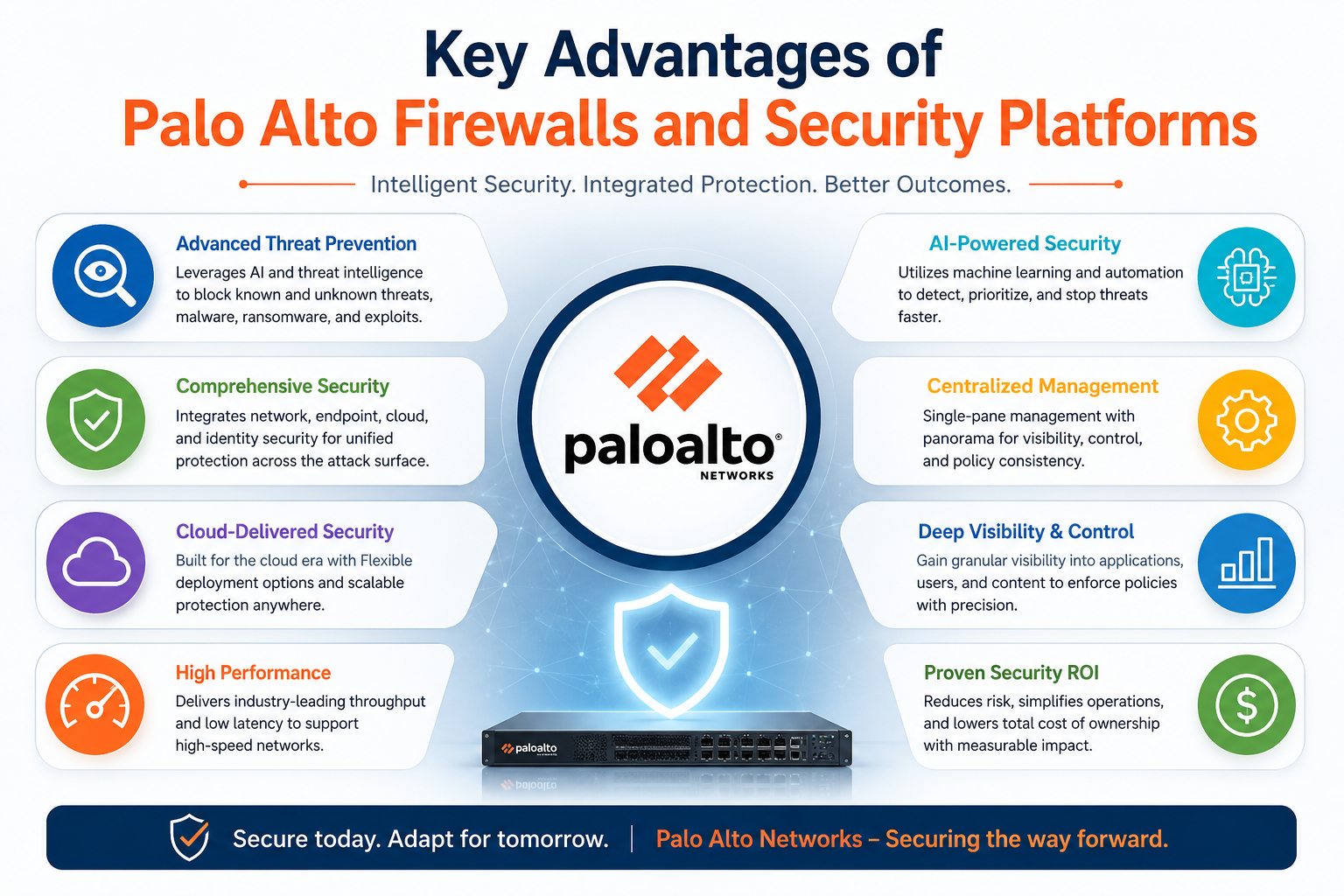
Cybersecurity has become one of the most important concerns for businesses across every industry. Organizations rely heavily on digital systems for communication, data storage, online transactions, remote collaboration, and customer management. As businesses continue adopting cloud services, mobile applications, and internet-connected technologies, cybercriminals are finding more opportunities to launch attacks against vulnerable systems. Modern enterprises are no longer dealing with occasional security risks. Instead, they face continuous threats that can disrupt operations, damage reputations, and cause significant financial losses.
Ransomware attacks, phishing campaigns, data breaches, malware infections, and denial-of-service attacks are now common headlines in the technology world. Criminal organizations and advanced hacking groups are becoming more sophisticated, using automation and artificial intelligence to improve the effectiveness of their attacks. Even small businesses are becoming targets because attackers understand that many organizations lack strong security defenses.
Because of these growing dangers, enterprises are investing more resources into network security solutions capable of defending critical infrastructure and sensitive information. Security is no longer viewed as a secondary technical function. It is now considered an essential business requirement. Organizations understand that a successful cyberattack can impact customer trust, regulatory compliance, operational continuity, and long-term growth.
Modern businesses require security technologies that can detect, prevent, and respond to threats quickly. Traditional security models are no longer sufficient for defending complex environments that include cloud infrastructure, remote employees, mobile devices, and software-defined networks. This shift in the cybersecurity landscape has increased the demand for advanced security platforms capable of delivering intelligent protection across every part of the enterprise environment.
How Firewalls Became Essential Security Tools
Firewalls have played a major role in enterprise security for decades. In the early days of networking, firewalls were mainly designed to separate internal corporate networks from external internet traffic. Their primary purpose was to inspect traffic entering and leaving the network while blocking unauthorized access attempts.
Traditional firewalls operated mainly by inspecting IP addresses, ports, and protocols. Administrators created rules that allowed or denied traffic based on predefined conditions. At the time, this approach worked effectively because business applications and network environments were relatively simple.
Most employees worked inside corporate offices, applications were hosted in centralized data centers, and network traffic followed predictable patterns. Since internet usage was limited compared to today’s standards, traditional firewalls provided acceptable levels of protection for many organizations.
However, enterprise environments changed dramatically over time. Businesses adopted web-based applications, remote access technologies, mobile devices, virtualization, and cloud computing. Employees began working from different locations using a wide range of devices and internet connections. Applications started using dynamic ports and encrypted traffic, making traditional inspection methods less effective.
At the same time, attackers developed more advanced techniques capable of bypassing conventional security defenses. Malware evolved rapidly, phishing attacks became more convincing, and cybercriminals learned how to exploit weaknesses inside trusted networks.
These changes forced the cybersecurity industry to rethink firewall technology entirely. Businesses required security solutions capable of understanding applications, user behavior, content, and advanced threats instead of simply filtering traffic by ports and protocols.
The Shift from Traditional Firewalls to Next-Generation Firewalls
The limitations of traditional firewalls created the need for a more intelligent approach to network security. This led to the development of next-generation firewalls, commonly known as NGFWs.
Next-generation firewalls go far beyond basic packet filtering. They combine traditional firewall functionality with advanced security features designed to identify and stop modern cyber threats. Instead of focusing only on IP addresses and ports, NGFWs inspect applications, users, devices, and traffic behavior in much greater detail.
One of the major advantages of next-generation firewalls is their ability to identify applications directly. Traditional firewalls may struggle to distinguish between applications using similar communication methods, but NGFWs can recognize individual applications regardless of the ports being used. This provides administrators with far greater visibility and control over network activity.
Modern NGFW platforms also include features such as intrusion prevention, malware analysis, URL filtering, encrypted traffic inspection, user-based policy enforcement, DNS security, and threat intelligence integration. These capabilities allow organizations to detect suspicious activity and block threats before they spread across the network.
Another important benefit of NGFW technology is consolidation. Instead of deploying multiple disconnected security tools, businesses can manage many security functions through a unified platform. This reduces operational complexity while improving visibility and response capabilities.
As cyber threats became more sophisticated, next-generation firewalls emerged as one of the most important technologies in enterprise cybersecurity strategies.
The Rise of Zero Trust Security Models
Traditional security strategies often relied on the assumption that users and devices inside the corporate network could generally be trusted. Once someone gained access to the network, they often had broad visibility and connectivity across internal systems.
Unfortunately, this model created major security risks. Attackers who successfully breached a network could move laterally between systems, escalate privileges, and access sensitive information with limited resistance.
To address this problem, organizations began adopting Zero Trust security models. Zero Trust is based on the principle that no user, device, or application should automatically be trusted, even if it operates inside the corporate environment.
Instead of assuming trust, Zero Trust architectures continuously verify identities, permissions, and activities before granting access to resources. Users are only given the minimum level of access necessary to perform their tasks.
This approach reduces the risk of unauthorized access, insider threats, and lateral movement within the network. Even if attackers compromise one account or device, strict segmentation and identity verification help limit the damage.
Next-generation firewalls play a critical role in Zero Trust environments because they provide visibility into users, applications, devices, and traffic patterns. They allow organizations to enforce granular security policies based on identity, behavior, and application usage.
As enterprises continue modernizing their security strategies, Zero Trust principles are becoming increasingly important in protecting distributed and cloud-based environments.
Why Modern Enterprises Need Advanced Security Platforms
Modern businesses operate in highly complex digital environments. Employees connect from remote locations, applications run across multiple cloud platforms, and data moves continuously between devices and services.
These changes create significant challenges for security teams. Organizations must protect sensitive information while supporting productivity, scalability, and digital transformation initiatives.
Traditional security solutions often struggle to keep up with these demands because they were designed for older network architectures. Businesses now require advanced security platforms capable of delivering integrated protection across cloud, on-premises, and remote environments.
Modern enterprises typically look for security platforms that provide:
- Real-time threat detection
- Centralized visibility
- Cloud integration
- User-based policy management
- Secure remote access
- Application awareness
- Automation capabilities
- Machine learning analysis
- Threat intelligence integration
- Scalable deployment options
Organizations also want security systems that simplify management while reducing operational overhead. Security teams are already overwhelmed by growing numbers of alerts, incidents, and infrastructure changes. Platforms that improve efficiency and automate repetitive tasks are becoming increasingly valuable.
This demand for intelligent, scalable, and integrated security solutions has contributed to the rise of advanced cybersecurity vendors offering next-generation firewall technologies.
Why Palo Alto Became a Major Name in Cybersecurity
Palo Alto became widely recognized because of its focus on advanced threat prevention and application-aware security technologies. The company positioned itself as a provider of modern security solutions designed specifically for evolving enterprise environments.
Instead of relying on outdated traffic filtering methods, Palo Alto focused on visibility, application control, user identification, and integrated threat prevention. This approach attracted organizations searching for more effective ways to defend against sophisticated attacks.
Over time, the company expanded its portfolio beyond traditional firewalls. It introduced solutions for cloud security, remote access protection, container security, threat intelligence, malware analysis, and automation.
Businesses often choose Palo Alto because its technologies are designed to work across a variety of environments, including physical networks, cloud infrastructure, virtualized systems, and remote work environments.
The company also gained popularity because of its emphasis on centralized management and integrated security capabilities. Instead of managing multiple isolated tools, organizations can often monitor and control security policies through unified platforms.
This combination of visibility, scalability, automation, and advanced threat prevention helped Palo Alto establish a strong position in the cybersecurity market.
The Importance of Application Visibility in Modern Security
One of the most significant changes in cybersecurity has been the growing importance of application visibility. Modern organizations use thousands of applications across departments, cloud environments, and remote locations.
Some applications are essential for business operations, while others may create productivity or security concerns. Traditional firewalls often struggle to identify these applications accurately because many use encrypted traffic or dynamic communication methods.
Advanced security platforms provide application-aware visibility that allows administrators to identify exactly which applications are operating on the network.
This visibility helps organizations:
- Block unauthorized applications
- Monitor risky behaviors
- Prioritize critical business traffic
- Enforce acceptable use policies
- Reduce shadow IT risks
- Improve compliance management
Application visibility also supports better incident response because security teams can quickly identify suspicious or malicious activities.
Businesses increasingly prioritize security solutions capable of delivering deep insight into application usage and traffic behavior.
How User-Based Security Improves Protection
Modern cybersecurity strategies increasingly focus on users instead of devices alone. Employees access systems from multiple devices and locations, making traditional device-based security controls less effective.
User-based security policies allow organizations to create rules tied directly to identities and job roles. For example, finance employees may receive access to accounting systems, while developers may access software repositories and testing environments.
By integrating with identity management systems and directory services, advanced firewalls can apply highly detailed access controls based on user roles and authentication status.
User-based visibility also helps organizations monitor suspicious behavior and investigate incidents more effectively.
Security teams can identify which users accessed applications, transferred files, or attempted unauthorized actions. This improves accountability and strengthens overall security management.
Identity-aware security has become increasingly important in modern Zero Trust architectures where continuous verification plays a central role in access control decisions.
The Growing Role of Cloud Security
Cloud computing transformed how organizations deploy applications and manage infrastructure. Businesses now rely heavily on public cloud platforms, hybrid environments, and software-as-a-service applications.
While cloud adoption improves flexibility and scalability, it also introduces new security challenges. Organizations must secure workloads, identities, applications, and data spread across multiple cloud environments.
Traditional perimeter-focused security models are often insufficient for protecting cloud infrastructure because users and applications operate outside centralized corporate networks.
Modern security platforms must provide consistent protection across both cloud and on-premises environments.
Palo Alto gained attention partly because of its ability to extend security capabilities into cloud infrastructure. Businesses can deploy security solutions in public clouds, private clouds, and virtualized environments while maintaining centralized policy management.
This flexibility helps organizations maintain visibility and consistent security enforcement as infrastructure evolves.
Why Scalability Matters in Enterprise Security
Enterprise environments constantly change. Businesses expand operations, deploy new applications, support remote workers, and increase cloud usage.
Security platforms must scale alongside these changes without introducing major complexity or performance issues.
Scalable security solutions allow organizations to increase capacity, add protections, and expand visibility while maintaining centralized management.
Palo Alto solutions are often selected because they support a wide range of deployment scenarios, from small branch offices to high-performance data centers.
Scalability is especially important for organizations planning long-term growth and digital transformation initiatives.
Businesses want security technologies capable of adapting to future requirements without requiring complete infrastructure redesigns.
The Future of Modern Network Security
Cybersecurity will continue evolving as organizations adopt new technologies and attackers develop more advanced techniques.
Artificial intelligence, machine learning, cloud-native architectures, remote work environments, and connected devices are changing how businesses operate and how security must be managed.
Future security strategies will likely focus heavily on automation, identity-based controls, advanced analytics, and integrated threat prevention.
Organizations will continue seeking security platforms capable of delivering centralized visibility, scalable protection, and intelligent threat detection across increasingly distributed environments.
Modern next-generation firewalls are expected to remain essential components of enterprise cybersecurity because they provide critical visibility and control over network activity, users, applications, and threats.
As businesses continue modernizing infrastructure and adopting Zero Trust principles, the demand for intelligent and adaptable security solutions will only continue growing.
The Importance of Modern Security Architecture
Modern enterprise networks are far more complicated than traditional business environments from the past. Organizations now support thousands of connected devices, cloud applications, remote users, mobile endpoints, and virtualized workloads operating simultaneously across multiple regions. Every connection, application, and user interaction creates potential opportunities for cybercriminals to exploit vulnerabilities.
Security teams are responsible for protecting this constantly expanding infrastructure while maintaining performance, reliability, and accessibility. This responsibility becomes more difficult when organizations rely on disconnected security tools that operate independently from one another.
Traditional security environments often required separate devices for firewall protection, intrusion prevention, malware detection, web filtering, and user monitoring. While these tools provided security capabilities, they also introduced operational complexity and management challenges.
Modern businesses now prefer integrated security platforms capable of consolidating multiple security functions into unified systems. This integrated approach simplifies management, improves visibility, and strengthens the ability to detect threats across the network.
Security architecture has therefore become one of the most important factors when organizations evaluate cybersecurity solutions. Enterprises want platforms that can deliver protection without creating unnecessary operational overhead or reducing network performance.
Palo Alto became widely recognized partly because of its focus on building security architecture designed specifically for modern enterprise requirements. The company emphasized visibility, efficiency, integration, scalability, and intelligent threat prevention as core components of its security strategy.
Understanding Single-Pass Processing Technology
One of the features often associated with Palo Alto firewalls is the use of single-pass processing architecture. Traditional security appliances frequently inspect the same traffic multiple times using separate scanning engines for different security functions.
For example, one engine might inspect traffic for malware while another engine checks application behavior and another scans content for suspicious activity. Repeated inspections consume processing resources and may reduce network performance.
Single-pass architecture was designed to improve efficiency by processing traffic once while simultaneously applying multiple security inspections.
Instead of repeatedly decoding and analyzing packets, the firewall performs several inspection functions during a unified processing cycle. This approach helps reduce latency and maintain higher throughput even when advanced security features are enabled.
For enterprise environments handling massive volumes of traffic, processing efficiency becomes extremely important. Businesses need strong security protection without slowing down critical applications or disrupting user experiences.
Efficient architecture also allows organizations to activate additional security capabilities without suffering major performance penalties. This flexibility is especially valuable for growing enterprises that continually expand their security requirements.
Modern businesses expect security systems to support both protection and operational efficiency at the same time. Performance degradation can impact productivity, customer experiences, and business continuity.
Why Network Visibility Is Essential
Visibility is one of the most important elements of effective cybersecurity. Organizations cannot properly defend systems or investigate threats if they lack visibility into network activity, user behavior, applications, and connected devices.
Traditional security tools often provided limited insight into actual traffic behavior. Administrators could see ports and protocols, but they struggled to understand which applications were operating, who was using them, and whether the activity represented legitimate business use or malicious behavior.
Modern next-generation firewalls provide much deeper visibility across enterprise environments. Security teams can monitor applications, users, content, devices, and traffic patterns in real time.
This visibility allows organizations to:
- Detect suspicious behavior
- Identify unauthorized applications
- Monitor user activity
- Track data movement
- Investigate incidents faster
- Improve compliance monitoring
- Reduce hidden security risks
Comprehensive visibility also helps organizations strengthen overall operational awareness. Security teams can better understand how applications and users interact across the environment, allowing them to make more informed security decisions.
Palo Alto solutions became popular partly because of their emphasis on application-aware and user-aware visibility capabilities. These features help organizations identify and manage traffic far more effectively than traditional security systems.
How Application Awareness Improves Security
Applications play a central role in modern enterprise operations. Employees use collaboration platforms, cloud services, messaging systems, video conferencing tools, productivity applications, and web-based business software every day.
However, not every application operating on the network is beneficial or authorized. Some applications may introduce security risks, consume excessive bandwidth, or violate compliance requirements.
Traditional firewalls often struggled to distinguish between applications because many modern services use encrypted traffic and dynamic ports. Attackers also learned how to disguise malicious traffic to appear legitimate.
Application-aware security technologies allow next-generation firewalls to identify applications directly regardless of ports, protocols, or encryption methods.
This capability provides organizations with far greater control over network activity.
Security teams can create policies that:
- Allow approved business applications
- Restrict risky services
- Block unauthorized tools
- Prioritize critical traffic
- Monitor application usage patterns
- Limit bandwidth consumption
Application awareness also helps organizations reduce shadow IT risks. Employees sometimes use unapproved cloud applications or collaboration tools without IT authorization, potentially exposing sensitive data.
By identifying these applications, organizations can reduce security gaps and improve policy enforcement.
The Importance of User Identification
Modern cybersecurity strategies increasingly focus on identities rather than just devices or network locations. Employees access applications from different devices, cloud platforms, and remote locations, making traditional location-based security less effective.
User identification technologies help organizations associate network activity directly with individual users or groups.
This allows administrators to apply policies based on roles, departments, responsibilities, or access levels instead of relying only on IP addresses.
For example:
- Finance employees may access accounting platforms
- Developers may access source code repositories
- Human resources staff may access employee records
- Contractors may receive restricted permissions
Identity-aware security policies improve both security and operational flexibility.
Organizations can monitor which users access applications, transfer files, or attempt suspicious activities. This level of visibility strengthens accountability and supports compliance initiatives.
User identification also supports Zero Trust security strategies where access decisions are continuously verified based on identity and behavior.
Palo Alto technologies became well known for integrating user visibility directly into firewall policies, allowing organizations to create highly granular access controls.
How Content Inspection Strengthens Threat Prevention
Cyber threats frequently hide within files, websites, email attachments, downloads, and encrypted traffic.
Traditional security systems often struggled to inspect content deeply enough to detect sophisticated attacks. Attackers learned how to embed malicious code within seemingly legitimate files and communications.
Content inspection technologies analyze files and network traffic to identify dangerous behaviors, malware signatures, suspicious payloads, and exploit attempts.
Modern content-aware security systems help organizations:
- Block malware infections
- Prevent phishing attacks
- Detect spyware
- Stop exploit attempts
- Prevent sensitive data leakage
- Monitor file transfers
- Restrict unauthorized uploads
Deep inspection capabilities are especially important because attackers increasingly use encrypted communications to hide malicious activity.
Advanced firewalls can inspect encrypted traffic while maintaining visibility into suspicious behaviors and threats.
Organizations handling sensitive customer data, financial information, or intellectual property often prioritize strong content inspection capabilities as part of their cybersecurity strategy.
Why Machine Learning Matters in Cybersecurity
Cybercriminals constantly change attack techniques to bypass traditional defenses. Static signature-based security systems may struggle to identify new or rapidly evolving threats.
Machine learning introduces more adaptive and intelligent threat detection capabilities.
Instead of relying entirely on predefined signatures, machine learning systems analyze behavior patterns, anomalies, traffic characteristics, and historical data to identify suspicious activity.
Machine learning can improve cybersecurity operations by:
- Detecting unknown threats
- Identifying unusual behavior
- Reducing false positives
- Improving response speed
- Automating analysis
- Supporting policy recommendations
This approach helps organizations defend against emerging attacks that may not yet have established signatures.
Palo Alto incorporated machine learning technologies into several security functions to improve threat prevention and operational efficiency.
Machine learning continues becoming more important as attackers adopt automation and artificial intelligence in cybercrime operations.
How Inline Threat Prevention Works
One major advantage of modern security platforms is the ability to inspect and block threats in real time.
Inline threat prevention means traffic is analyzed immediately while moving through the network instead of being reviewed later after damage has already occurred.
Real-time inspection allows organizations to stop malicious files, suspicious scripts, and exploit attempts before they compromise systems.
This capability is especially important during ransomware attacks where even short delays in detection can result in widespread encryption and operational disruption.
Inline threat prevention also helps reduce user impact because malicious activity can be blocked before spreading across applications or devices.
Modern businesses increasingly require proactive security systems capable of responding immediately to evolving threats.
The Role of Threat Intelligence in Modern Security
Threat intelligence provides information about emerging cyber threats, malicious domains, malware variants, phishing campaigns, and attack techniques.
Modern cybersecurity platforms often integrate global threat intelligence feeds to strengthen detection capabilities.
Threat intelligence systems continuously collect and analyze information from security incidents, malware samples, internet activity, and research teams.
This information helps organizations identify dangerous activity faster and improve response times.
Rapid intelligence updates are especially important during large-scale attacks targeting multiple organizations across industries.
Without timely intelligence, businesses may struggle to recognize new threats before significant damage occurs.
Integrated threat intelligence has become one of the most valuable components of modern next-generation firewall platforms.
Why URL Filtering Remains Important
Employees access websites continuously throughout the workday, making web browsing one of the most common entry points for cyberattacks.
Malicious websites may distribute malware, steal credentials, launch phishing campaigns, or redirect users toward dangerous content.
URL filtering technologies inspect web requests and block access to harmful or unauthorized websites.
Modern URL filtering systems often combine machine learning, reputation analysis, and threat intelligence to identify suspicious domains rapidly.
Organizations can also enforce browsing policies based on employee roles, departments, or acceptable use requirements.
Effective URL filtering helps reduce exposure to:
- Malware infections
- Credential theft
- Social engineering attacks
- Command-and-control communications
- Phishing campaigns
Businesses increasingly rely on URL filtering as part of broader threat prevention strategies.
How DNS Security Helps Prevent Attacks
The Domain Name System plays a major role in internet communications by translating domain names into IP addresses.
Attackers frequently exploit DNS traffic for malicious purposes such as malware communications, phishing operations, and data exfiltration.
DNS security technologies monitor and analyze DNS activity to identify suspicious requests and block malicious domains.
Predictive analytics can also help detect newly generated malicious domains before they become widely recognized.
Integrated DNS protection improves visibility while reducing reliance on separate security systems.
Organizations increasingly recognize DNS security as a critical component of modern cybersecurity strategies.
The Importance of Cloud-Based Malware Analysis
Traditional antivirus technologies may struggle to detect sophisticated or previously unknown malware.
Cloud-based malware analysis improves detection capabilities by analyzing suspicious files within isolated sandbox environments.
When suspicious files are identified, they can be executed safely within controlled environments where their behavior is monitored carefully.
Security systems can observe whether files attempt to:
- Encrypt data
- Modify system settings
- Download additional malware
- Establish unauthorized communications
- Escalate privileges
- Spread laterally
Once malicious behavior is confirmed, security updates can be distributed rapidly across customer environments.
Cloud-based analysis allows organizations to benefit from shared intelligence and faster detection capabilities.
How Integrated Security Simplifies Operations
Managing multiple disconnected security tools can create significant operational complexity.
Security teams may struggle with inconsistent policies, fragmented visibility, overlapping alerts, and difficult incident investigations.
Integrated security platforms simplify management by consolidating security functions into unified environments.
Benefits of integration include:
- Centralized visibility
- Faster incident response
- Simplified policy management
- Improved analytics
- Reduced operational overhead
- Better data correlation
Organizations increasingly prioritize solutions that improve efficiency while reducing administrative burdens.
Integrated approaches also help organizations maintain more consistent protection across hybrid and cloud environments.
Why Security Scalability Is Critical
Enterprise environments are constantly evolving. Organizations expand cloud infrastructure, add remote workers, deploy new applications, and increase internet connectivity.
Security platforms must scale alongside these changes without sacrificing performance or visibility.
Scalable solutions allow organizations to:
- Increase capacity
- Expand coverage
- Add security functions
- Support cloud growth
- Maintain centralized management
Businesses want security investments capable of adapting to future requirements instead of requiring complete redesigns every few years.
Scalability remains one of the most important factors when organizations evaluate enterprise security platforms.
The Continuing Evolution of Enterprise Security
Cybersecurity continues evolving rapidly as businesses adopt new technologies and attackers develop more advanced methods.
Organizations now face challenges related to cloud security, remote work, artificial intelligence, mobile devices, supply chain risks, and connected infrastructure.
Security platforms must continue adapting to these changing requirements while maintaining visibility, scalability, and operational efficiency.
Modern next-generation firewalls remain central components of enterprise security strategies because they provide intelligent inspection, integrated protection, and centralized control across complex environments.
As digital transformation continues accelerating, organizations will increasingly rely on advanced security technologies capable of defending modern networks against sophisticated cyber threats.
The Growing Demand for Advanced Cybersecurity Professionals
Cybersecurity has become one of the fastest-growing sectors in the technology industry. Organizations across the world are increasing investments in digital infrastructure, cloud computing, remote collaboration, and online services. As these environments expand, cyber threats continue growing in sophistication and frequency. Businesses are now facing constant attacks targeting applications, cloud services, employee credentials, financial systems, and customer data.
Because of this, companies require highly skilled professionals capable of designing, deploying, monitoring, and maintaining modern security systems. Security engineers, firewall administrators, cloud security specialists, incident responders, and network architects are now among the most in-demand professionals in the technology workforce.
Modern enterprises no longer rely solely on basic security practices. They need experts who understand advanced firewalls, Zero Trust principles, threat intelligence, cloud security, application visibility, automation, and threat prevention technologies.
The increasing complexity of enterprise environments has made cybersecurity expertise more valuable than ever before. Organizations recognize that cybersecurity is not simply about installing security products. Effective protection requires trained professionals who can configure policies correctly, monitor activity continuously, respond to incidents quickly, and adapt security strategies as technology evolves.
As cybersecurity threats continue increasing, the demand for skilled professionals with experience in advanced security platforms is expected to remain extremely strong for years to come.
Why Security Certifications Continue Gaining Importance
Technology certifications play an important role in modern IT and cybersecurity careers. Employers often look for certifications when evaluating candidates because certifications help validate technical knowledge and practical understanding of security technologies.
Security certifications demonstrate that professionals have invested time in learning cybersecurity concepts, networking fundamentals, firewall technologies, cloud security, and threat prevention strategies. Certifications also help organizations identify candidates who are familiar with industry best practices and vendor-specific technologies.
For professionals, certifications can provide several advantages:
- Improved job opportunities
- Greater career flexibility
- Stronger technical credibility
- Higher earning potential
- Increased confidence with enterprise technologies
- Better understanding of modern security operations
The cybersecurity industry changes rapidly, and certifications encourage continuous learning. Security professionals must constantly update their knowledge because attackers continuously develop new techniques and organizations continue adopting new technologies.
Many organizations prefer candidates who combine hands-on experience with recognized certifications because this combination demonstrates both practical and theoretical understanding.
As enterprises increasingly deploy advanced next-generation firewalls and integrated security platforms, certifications related to modern security technologies have become especially valuable.
The Importance of Vendor-Specific Security Knowledge
General cybersecurity knowledge is extremely important, but many enterprises also value vendor-specific expertise. Large organizations often standardize around particular security platforms to simplify management, improve visibility, and maintain consistent policy enforcement across environments.
When businesses deploy enterprise-grade firewall and security systems, they need professionals who understand how those platforms operate in real-world scenarios.
Vendor-specific knowledge becomes valuable because enterprise security platforms are highly advanced and often include:
- Application visibility
- User identification
- Threat prevention
- Cloud integration
- Automation tools
- Centralized management systems
- Machine learning analytics
- Security orchestration features
Professionals who understand these technologies can help organizations maximize security effectiveness while reducing operational complexity.
Businesses often prefer hiring engineers and administrators who already understand the platforms operating inside their infrastructure because this reduces training time and improves operational efficiency.
Vendor-specific expertise can therefore create strong career opportunities for technology professionals interested in enterprise cybersecurity.
The Expanding Responsibilities of Firewall Administrators
Firewall administration has evolved significantly over the years. Traditional firewall management mainly focused on configuring basic traffic rules based on ports and protocols.
Modern next-generation firewalls require much broader technical understanding because they perform advanced security functions beyond simple packet filtering.
Today’s firewall professionals may be responsible for:
- Managing application-based policies
- Monitoring user activity
- Configuring threat prevention systems
- Supporting cloud security integration
- Managing VPN access
- Implementing segmentation policies
- Investigating suspicious traffic
- Reviewing security alerts
- Supporting compliance initiatives
- Maintaining security updates
Firewall engineers must also understand networking, routing, switching, cloud infrastructure, virtualization, and identity management systems.
The role now requires both networking expertise and cybersecurity knowledge.
As enterprise environments continue becoming more complex, firewall professionals must develop strong analytical skills and stay updated on evolving threat landscapes.
How Cloud Computing Changed Security Operations
Cloud computing transformed how organizations deploy applications, store data, and manage infrastructure. Businesses increasingly rely on public cloud providers, software-as-a-service applications, and hybrid cloud environments to improve scalability and operational flexibility.
While cloud adoption provides major advantages, it also introduces new security challenges.
Traditional security models focused primarily on protecting centralized corporate networks. Cloud environments distribute applications and data across multiple platforms, requiring more flexible security strategies.
Organizations now need security systems capable of protecting:
- Cloud workloads
- Virtual machines
- Containers
- Remote users
- Cloud storage
- APIs
- Multi-cloud environments
Security teams must maintain visibility across both on-premises and cloud infrastructure while enforcing consistent policies.
Modern firewall and security platforms increasingly support cloud-native deployments, allowing organizations to extend protection into public cloud environments.
Cloud security has therefore become one of the most important areas of enterprise cybersecurity.
Why Remote Work Increased Security Challenges
Remote and hybrid work environments have become common across many industries. Employees now connect to business systems from homes, hotels, airports, cafes, and personal devices.
While remote work improves flexibility and productivity, it also increases security risks.
Traditional security models assumed employees operated mainly from protected corporate offices. Remote work environments are far more distributed and unpredictable.
Organizations must now secure users regardless of location while maintaining productivity and accessibility.
Security challenges associated with remote work include:
- Unsecured home networks
- Personal device usage
- Phishing attacks
- Credential theft
- Weak password practices
- Public Wi-Fi risks
- Cloud application exposure
Modern security platforms help organizations address these challenges through secure remote access technologies, identity-based controls, cloud-delivered security services, and continuous monitoring.
Businesses increasingly prioritize security systems capable of supporting distributed workforces without sacrificing protection or performance.
The Role of Zero Trust in Future Security Strategies
Zero Trust has become one of the most important concepts in modern cybersecurity.
Traditional security approaches often assumed that users and devices inside the network could generally be trusted. Unfortunately, attackers learned how to exploit this model by compromising accounts and moving laterally across systems.
Zero Trust eliminates the assumption of automatic trust.
Instead, every user, device, and application must continuously verify identity and authorization before receiving access to resources.
Zero Trust principles typically include:
- Least privilege access
- Continuous authentication
- Identity verification
- Segmentation
- Monitoring and analytics
- Device validation
- Application-aware controls
Next-generation firewalls support Zero Trust strategies by providing deep visibility into users, devices, applications, and traffic behavior.
Organizations increasingly view Zero Trust as a critical framework for protecting modern hybrid and cloud environments.
As remote work and cloud adoption continue growing, Zero Trust principles are expected to become even more important in enterprise security planning.
How Automation Improves Security Operations
Modern security teams face enormous operational pressure due to the increasing volume of alerts, threats, and infrastructure changes.
Manual security operations are often too slow and resource-intensive to handle modern attack volumes effectively.
Automation helps organizations improve efficiency by streamlining repetitive tasks and accelerating threat response activities.
Automated security capabilities may include:
- Threat detection
- Event correlation
- Policy recommendations
- Traffic analysis
- Alert prioritization
- Malware analysis
- Threat intelligence updates
- Incident response workflows
Automation allows security professionals to focus more attention on strategic analysis and complex investigations instead of repetitive administrative tasks.
Modern security platforms increasingly integrate automation and machine learning technologies to improve operational scalability.
Organizations value these capabilities because they reduce human error, improve consistency, and help security teams respond more quickly to evolving threats.
Why Threat Intelligence Is More Important Than Ever
Cybercriminals constantly develop new attack techniques designed to bypass existing security controls.
Threat intelligence helps organizations stay informed about emerging threats, malicious infrastructure, phishing campaigns, ransomware activity, and vulnerability exploitation trends.
Modern security platforms often integrate global intelligence feeds capable of identifying dangerous activity in real time.
Threat intelligence supports:
- Faster threat detection
- Improved malware prevention
- Better incident response
- Early warning capabilities
- Enhanced threat hunting
- Stronger policy enforcement
Organizations benefit significantly from continuously updated intelligence because attack methods evolve rapidly.
Integrated threat intelligence has become one of the most valuable components of modern cybersecurity platforms.
Businesses increasingly expect security systems to adapt quickly as new threats emerge across the global threat landscape.
The Growing Importance of Application Security
Applications now serve as the foundation for many business operations. Employees depend on cloud collaboration platforms, productivity software, customer management systems, and web applications every day.
However, applications can also create major security risks if not properly monitored and controlled.
Cybercriminals frequently target vulnerable applications to gain unauthorized access, distribute malware, or steal sensitive information.
Modern next-generation firewalls provide application visibility and control capabilities that help organizations:
- Monitor application usage
- Restrict unauthorized applications
- Identify risky behavior
- Prevent data leakage
- Improve compliance
- Prioritize business-critical traffic
Application-aware security has become essential because traditional traffic inspection methods are no longer sufficient for modern encrypted and cloud-based applications.
Organizations increasingly rely on application visibility to strengthen both security and operational management.
Why Integrated Security Platforms Are Becoming Standard
Many organizations previously relied on separate tools for firewall protection, intrusion prevention, malware detection, cloud security, and remote access management.
While these products provided individual capabilities, they often created fragmented environments with inconsistent visibility and operational complexity.
Integrated security platforms help organizations unify security operations through centralized management and coordinated threat prevention capabilities.
Benefits of integration include:
- Improved visibility
- Faster investigations
- Simplified management
- Better policy consistency
- Reduced administrative overhead
- Enhanced analytics
- Improved scalability
Security teams increasingly prefer platforms capable of consolidating multiple security functions into unified ecosystems.
Integrated environments also improve collaboration between networking, security, and cloud operations teams.
As enterprise environments continue growing more complex, integration is becoming one of the most important factors in cybersecurity planning.
How Machine Learning Supports Modern Threat Detection
Machine learning is playing an increasingly important role in cybersecurity operations.
Traditional security systems often depend heavily on static signatures and predefined rules. While effective against known threats, these methods may struggle against new or rapidly evolving attacks.
Machine learning helps improve detection by analyzing behavior patterns, anomalies, and traffic characteristics.
Machine learning capabilities may support:
- Malware analysis
- User behavior analytics
- Threat detection
- IoT visibility
- Automated recommendations
- Traffic classification
- Risk scoring
Machine learning allows security systems to identify suspicious activity that may not match traditional threat signatures.
Although machine learning does not replace human expertise, it significantly improves the ability to identify emerging threats and reduce response times.
Organizations increasingly prioritize security platforms that combine machine learning with traditional threat prevention technologies.
The Role of Security Awareness in Enterprise Protection
Technology alone cannot fully protect organizations from cyber threats.
Employees remain one of the most common targets for phishing attacks, credential theft, and social engineering campaigns.
Cybercriminals often attempt to manipulate users into clicking malicious links, downloading infected files, or revealing sensitive information.
Security awareness programs help employees recognize suspicious activity and follow safe cybersecurity practices.
Effective security awareness initiatives typically focus on:
- Phishing prevention
- Password hygiene
- Safe browsing habits
- Remote work security
- Device protection
- Reporting suspicious activity
Organizations that combine strong technical defenses with employee education are generally better prepared to reduce cyber risks.
Security awareness should be treated as an ongoing process rather than a one-time training exercise.
Why Businesses Continue Investing in Advanced Security Solutions
Digital transformation continues reshaping enterprise operations across every industry. Businesses increasingly depend on cloud services, remote collaboration, mobile devices, and interconnected systems to support growth and innovation.
However, these technologies also create larger attack surfaces and more complex security requirements.
Organizations continue investing in advanced security solutions because they need:
- Better visibility
- Stronger threat prevention
- Scalable protection
- Cloud integration
- Automation capabilities
- Simplified management
- Faster incident response
Modern next-generation firewalls remain critical components of enterprise cybersecurity strategies because they provide centralized control and intelligent traffic analysis across complex environments.
Businesses understand that cybersecurity is now directly connected to operational resilience, customer trust, and long-term success.
Strong security investments are therefore viewed as essential business priorities rather than optional technical upgrades.
Conclusion
Modern cybersecurity challenges require organizations to adopt more intelligent, scalable, and integrated security strategies than ever before. As businesses continue embracing cloud computing, remote work, mobile connectivity, and digital transformation, traditional security approaches are no longer sufficient for defending complex enterprise environments.
Next-generation firewalls have evolved into advanced security platforms capable of delivering deep visibility, application awareness, user identification, threat prevention, machine learning analysis, and centralized management. These technologies help organizations protect critical systems and sensitive information against increasingly sophisticated cyber threats.
At the same time, the demand for skilled cybersecurity professionals continues growing rapidly. Businesses require experts capable of managing modern security infrastructures, implementing Zero Trust principles, responding to threats, and supporting cloud-based environments.
Organizations are increasingly investing in integrated security platforms that simplify operations while improving protection, scalability, and visibility across distributed environments. Automation, threat intelligence, machine learning, and cloud-native security capabilities are becoming central components of future cybersecurity strategies.
As cyber threats continue evolving, enterprises must remain proactive, adaptable, and committed to strengthening both technology and operational security practices. Modern security solutions will continue playing a critical role in protecting businesses, supporting innovation, and maintaining trust in an increasingly connected digital world.