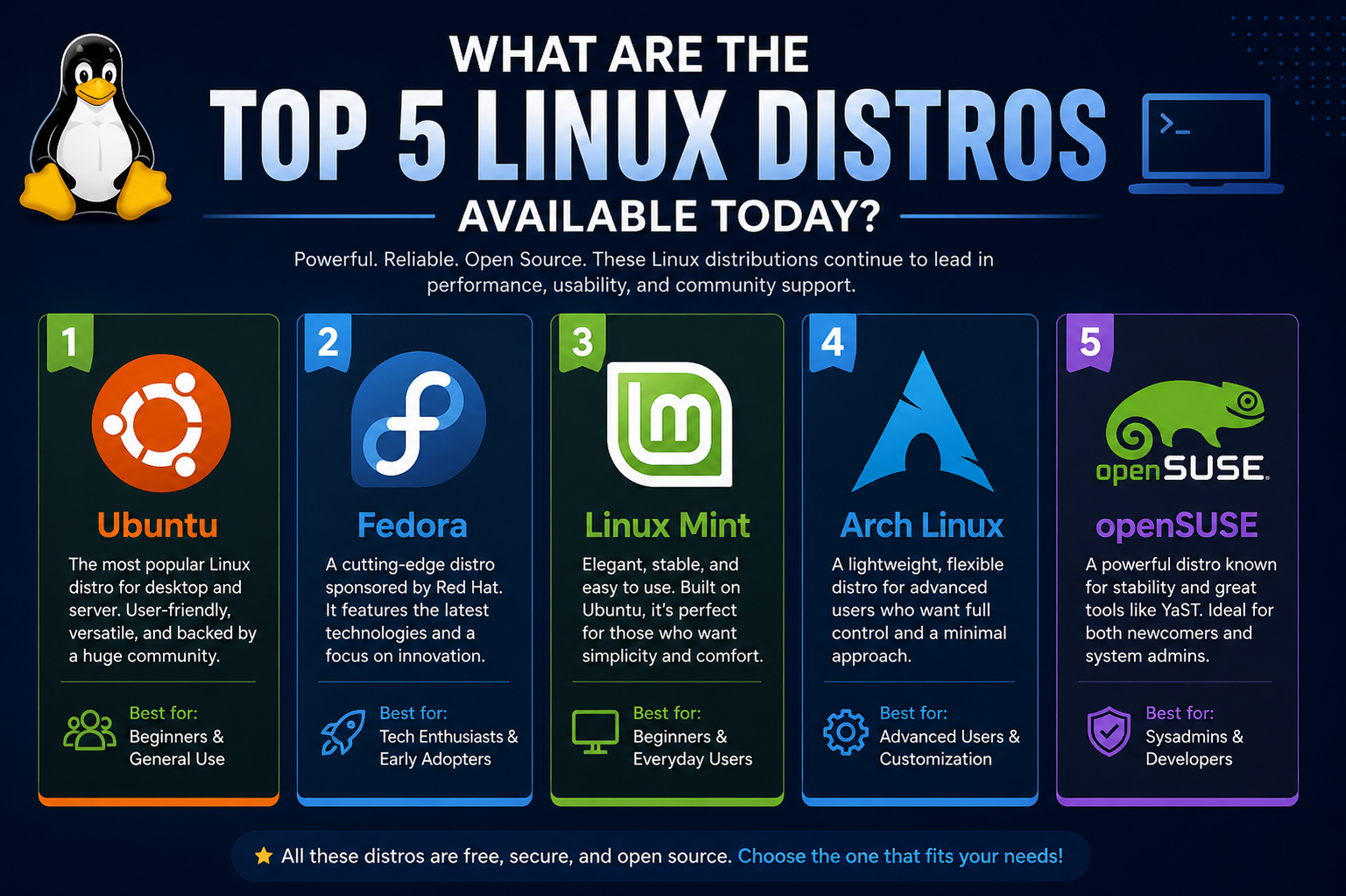
Ubuntu remains one of the most influential and widely adopted Linux distributions in the world, largely because it strikes a careful balance between ease of use and powerful functionality. It is designed with accessibility in mind, which is why many users encounter it as their first experience with Linux. The installation process is straightforward, and the system is structured to work smoothly without requiring advanced technical knowledge. This makes it appealing to beginners who want to move away from traditional operating systems without dealing with excessive complexity.
Beyond its beginner-friendly nature, Ubuntu has developed into a strong platform for developers, system administrators, and cloud computing environments. Its regular release cycle ensures that users receive updated software and security improvements while still maintaining system stability. The long-term support versions are particularly important for users who prioritize reliability over frequent upgrades. These versions receive updates for several years, making them suitable for professional environments where consistency is essential.
Another strength of Ubuntu is its extensive software availability. Almost any application needed for everyday computing, development, or multimedia work can be installed through its repositories or package systems. This reduces the need for manual configuration and ensures compatibility across most hardware setups. Ubuntu also benefits from strong community support, meaning that users can easily find solutions, documentation, and discussions related to almost any issue they encounter.
In modern computing, Ubuntu has expanded far beyond desktop use. It plays a major role in cloud infrastructure, containerization technologies, and server management. Many organizations choose Ubuntu for deploying web services and applications because of its reliability and strong security model. The system is also highly adaptable, allowing users to customize it for different workflows, whether for personal use or enterprise-level deployments.
Fedora
Fedora is known for being at the forefront of Linux innovation while still maintaining a strong commitment to stability and security. It is often considered a testing ground for new technologies that later become standard in enterprise Linux environments. Because of this, Fedora tends to include newer software versions and features earlier than many other distributions, making it appealing to users who want access to the latest advancements.
One of the defining characteristics of Fedora is its close relationship with enterprise-grade Linux development. Many of its technologies eventually influence or directly integrate into enterprise systems. This gives Fedora a reputation as both cutting-edge and reliable, which is a rare combination in the Linux ecosystem. While it may not be as conservative as some distributions, it still undergoes rigorous testing before each release.
Fedora is also appreciated for its strong focus on security. It includes advanced security frameworks and default configurations that help protect the system from vulnerabilities. This makes it suitable not only for personal computing but also for professional environments where security is a priority. Developers often choose Fedora because it provides up-to-date tools and libraries needed for modern software development.
The distribution is supported by a large and active community, along with backing from a major technology organization. This ensures continuous development, frequent updates, and a clear direction for future improvements. Fedora also offers different editions tailored to specific use cases, such as desktop environments, server setups, and specialized workflows.
Despite its advanced nature, Fedora still maintains a user-friendly installation process and a clean desktop experience. However, it is generally better suited for users who are comfortable exploring new features and adapting to frequent updates. It is a distribution that rewards curiosity and technical engagement.
Debian
Debian is one of the oldest and most respected Linux distributions, known primarily for its stability, reliability, and strict commitment to free software principles. It serves as the foundation for many other popular distributions, which highlights its importance in the Linux ecosystem. Debian is often chosen for environments where stability is more important than having the newest features.
The development process of Debian is carefully structured, with a strong emphasis on testing and quality assurance. Before any stable release is made available, it undergoes extensive evaluation to ensure that it performs reliably across a wide range of systems. This cautious approach results in a system that is extremely dependable, especially for servers and critical infrastructure.
Debian’s software repositories are vast, offering thousands of packages that cover nearly every category of computing. While the versions of software may not always be the newest, they are tested thoroughly for compatibility and stability. This makes Debian particularly attractive for users who prefer a predictable and consistent computing environment.
Another key aspect of Debian is its flexibility. It can be used in minimal installations for servers or fully featured desktop environments for personal use. This adaptability allows it to serve a wide range of users, from system administrators managing large networks to individuals using it as a daily operating system.
Debian also has a strong community-driven development model. Unlike some distributions backed by commercial organizations, Debian relies heavily on volunteers who contribute to its development, documentation, and maintenance. This creates a system that is shaped by user needs and long-term stability rather than rapid commercial cycles.
Because of its reliability, Debian is widely used in servers, data centers, and long-term deployments where system downtime must be minimized. It is not necessarily designed for users who want the latest features immediately, but rather for those who value consistency and trustworthiness over time.
Arch Linux
Arch Linux takes a very different approach compared to more beginner-friendly distributions. It is designed around simplicity in structure rather than simplicity in use. This means that instead of providing a pre-configured system, Arch allows users to build their environment from the ground up. As a result, it offers complete control over every aspect of the operating system.
One of the most distinctive features of Arch is its rolling release model. Instead of waiting for major version upgrades, users receive continuous updates. This ensures that the system always stays current with the latest software versions. While this approach provides access to modern features, it also requires users to be more attentive to system updates and potential changes.
Arch is often chosen by experienced Linux users who enjoy customization and want to deeply understand how their system works. The installation process itself is more involved than most other distributions, requiring manual configuration of components such as the bootloader, desktop environment, and system settings. This process, while challenging, provides valuable learning opportunities.
Another major strength of Arch is its documentation. The community-maintained documentation is widely regarded as one of the most comprehensive Linux resources available. It covers nearly every aspect of system configuration and troubleshooting, making it an essential tool for users who want to learn and solve problems independently.
Despite its complexity, Arch offers great performance and efficiency because users only install what they need. There are no unnecessary background services or pre-installed applications unless explicitly added by the user. This minimalistic approach results in a lightweight and highly optimized system.
Arch also supports a large repository of user-contributed software, which expands its capabilities significantly. This allows users to access a wide range of applications and tools beyond the official repositories. However, the responsibility of maintaining system stability often lies more heavily on the user compared to other distributions.
Linux Mint
Linux Mint is designed with simplicity and comfort in mind, especially for users transitioning from other operating systems. It is based on Ubuntu, which provides a stable foundation, but it focuses heavily on creating a more familiar and intuitive desktop experience. This makes it especially popular among beginners and everyday users who want a system that works immediately after installation.
One of the key strengths of Linux Mint is its user interface design. It offers a traditional desktop layout that feels familiar to many users, reducing the learning curve significantly. The system is carefully designed to avoid unnecessary complexity, allowing users to focus on their tasks rather than system configuration.
Linux Mint also comes with a variety of pre-installed tools that cover everyday computing needs such as browsing, media playback, document handling, and system management. This reduces the need for additional setup after installation, making it a convenient choice for users who want a ready-to-use system.
Another advantage of Linux Mint is its stability. Since it is based on Ubuntu’s long-term support versions, it benefits from a reliable foundation with regular updates and security patches. This ensures that users receive a consistent experience without frequent disruptive changes.
The distribution also provides different desktop environment options, allowing users to choose the interface that best suits their preferences. This flexibility enhances usability while still maintaining the overall simplicity that Mint is known for.
Community support is another strong aspect of Linux Mint. Users can easily find help, tutorials, and discussions related to common issues. This makes it easier for beginners to resolve problems without advanced technical knowledge.
openSUSE
openSUSE is a highly respected Linux distribution known for its balance between user-friendliness and advanced system control. It is particularly valued for its powerful configuration tools and flexibility, making it suitable for both beginners and experienced users. One of its standout features is the YaST configuration system, which allows users to manage system settings, software installation, network configuration, and more from a centralized interface. This greatly simplifies tasks that might otherwise require complex command-line operations.
openSUSE offers two main versions, each catering to different user needs. One focuses on stability and long-term reliability, while the other follows a rolling release model for users who want access to the latest software updates. This dual approach allows users to choose between a dependable system or a more cutting-edge experience without switching distributions entirely.
The distribution is also known for its strong testing processes and attention to detail. Updates are carefully reviewed before being released, ensuring a smooth and stable user experience. This makes openSUSE a popular choice for developers, system administrators, and users who require a dependable system for both personal and professional use.
Another strength of openSUSE is its performance and scalability. It can run efficiently on a wide range of hardware, from personal computers to enterprise servers. Its adaptability allows it to be used in various environments, including development, virtualization, and cloud computing.
The community surrounding openSUSE is active and supportive, providing extensive documentation and resources. This makes it easier for users to learn, troubleshoot, and optimize their systems. Overall, openSUSE stands out as a well-rounded distribution that combines stability, flexibility, and powerful tools.
Manjaro
Manjaro is a user-friendly Linux distribution based on Arch Linux, designed to bring the power of Arch to a broader audience. While Arch itself can be complex and challenging for beginners, Manjaro simplifies the process by providing an easy installation system and pre-configured environments. This allows users to enjoy the benefits of Arch without dealing with its more demanding setup.
One of the key advantages of Manjaro is its rolling release model, which ensures that users receive continuous updates without needing to reinstall the system. However, unlike pure Arch Linux, Manjaro introduces an additional layer of testing before updates are released. This helps maintain system stability while still delivering relatively up-to-date software.
Manjaro also offers a variety of desktop environments, allowing users to choose the interface that best suits their preferences. Whether someone prefers a modern, minimal design or a more traditional layout, Manjaro provides options that cater to different workflows.
Another notable feature is its hardware compatibility. Manjaro is designed to detect and support a wide range of hardware components automatically, reducing the need for manual configuration. This makes it particularly appealing to users who want a system that works smoothly out of the box.
The distribution also includes access to a large software ecosystem, including both official repositories and user-contributed packages. This ensures that users can find and install a wide variety of applications بسهولة. Combined with strong community support, Manjaro offers a balanced experience that bridges the gap between simplicity and advanced customization.
Pop!_OS
Pop!_OS is a modern Linux distribution designed with productivity and performance in mind. It is developed with a focus on creators, developers, and professionals who need a reliable and efficient working environment. Built on a stable foundation, Pop!_OS enhances usability by introducing thoughtful design improvements and workflow optimizations.
One of its standout features is its approach to window management. The system includes advanced tiling capabilities that allow users to organize multiple applications efficiently across their screen. This can significantly improve productivity, especially for users who work with multiple programs simultaneously.
Pop!_OS also emphasizes hardware compatibility and performance optimization. It is particularly well-known for its support of graphics processing units, making it a strong choice for tasks such as gaming, machine learning, and creative work. The system is designed to take full advantage of modern hardware, ensuring smooth performance across demanding applications.
Another strength of Pop!_OS is its clean and intuitive interface. It avoids unnecessary clutter and focuses on delivering a streamlined user experience. The installation process is simple, and the system is ready to use immediately after setup, making it accessible even to those new to Linux.
Security and privacy are also important aspects of Pop!_OS. It includes built-in features that protect user data and provide a secure computing environment. Regular updates ensure that the system remains protected against vulnerabilities.
With its combination of performance, usability, and modern design, Pop!_OS has become a popular choice among users who want a powerful yet approachable Linux distribution.
Zorin OS
Zorin OS is specifically designed to make the transition to Linux as smooth as possible for users coming from other operating systems. It focuses heavily on ease of use, visual familiarity, and accessibility, making it one of the most beginner-friendly distributions available.
One of the defining features of Zorin OS is its customizable desktop layout. Users can choose from different interface styles that resemble other popular operating systems, allowing them to feel comfortable right away. This reduces the learning curve and helps users adapt quickly to the Linux environment.
Zorin OS also comes with a wide range of pre-installed applications, covering everyday tasks such as web browsing, office work, and media playback. This eliminates the need for extensive setup and ensures that users can start working immediately after installation.
Performance is another area where Zorin OS excels. It is optimized to run efficiently on both modern and older hardware, making it a practical choice for users who want to extend the life of their existing systems. The distribution is designed to be lightweight while still providing a visually appealing experience.
The system also emphasizes security and privacy, offering a safe computing environment without intrusive tracking or data collection. Regular updates keep the system secure and stable over time.
Zorin OS is supported by an active community and provides helpful documentation for users at all experience levels. Its focus on simplicity and accessibility makes it an excellent option for beginners and those looking for a smooth and familiar Linux experience.
Kali Linux
Kali Linux is a specialized Linux distribution designed for cybersecurity professionals and ethical hackers. Unlike general-purpose distributions, Kali Linux is focused on security testing, penetration testing, and digital forensics. It comes preloaded with a wide range of tools that are used to assess and improve system security.
The distribution is widely used in professional environments where security analysis is required. It allows users to simulate attacks, identify vulnerabilities, and strengthen defenses against potential threats. Because of its specialized nature, Kali Linux is typically used by individuals with a solid understanding of networking and security concepts.
Kali Linux is highly customizable, allowing users to tailor the system to their specific needs. It supports a variety of hardware platforms and can be run in different modes, including live environments and virtual machines. This flexibility makes it a valuable tool for both learning and professional use.
Another important aspect of Kali Linux is its regular updates. The system is continuously maintained to ensure that security tools remain effective against evolving threats. This keeps users equipped with the latest techniques and capabilities in the field of cybersecurity.
While Kali Linux is powerful, it is not intended for everyday computing tasks. Its tools are designed for specialized purposes, and using them requires responsibility and proper knowledge. For those interested in cybersecurity, however, Kali Linux provides an essential platform for learning and professional development.
Elementary OS
elementary OS is widely recognized for its elegant design and focus on delivering a refined user experience. It is often compared to premium operating systems because of its clean interface, smooth animations, and consistent visual style. The distribution is built with a strong emphasis on simplicity, ensuring that users are not overwhelmed by unnecessary features or cluttered menus.
One of the defining characteristics of elementary OS is its custom desktop environment, which is designed to be intuitive and visually appealing. Every element of the interface is carefully crafted to maintain consistency, from system icons to application layouts. This attention to detail creates a cohesive experience that feels polished and professional.
In addition to its design, elementary OS places a strong focus on usability. Applications are straightforward, settings are easy to navigate, and the system encourages efficient workflows. It is particularly appealing to users who value aesthetics as much as functionality, making it a popular choice for creative professionals and those who prefer a distraction-free environment.
The distribution also promotes a unique approach to software distribution by encouraging developers to follow design guidelines and provide high-quality applications. This results in a curated ecosystem where apps are optimized to match the system’s overall look and feel.
Despite its simplicity, elementary OS remains capable of handling everyday tasks such as browsing, document editing, and media consumption. It is best suited for users who prioritize a smooth, visually pleasing experience and do not require extensive customization options.
Rocky Linux
Rocky Linux is a community-driven enterprise Linux distribution designed to provide stability and long-term reliability. It was created to fill the gap left by changes in the enterprise Linux ecosystem, offering a dependable alternative for users who require a consistent and production-ready system.
Rocky Linux is particularly popular in server environments, where reliability and performance are critical. It is designed to handle demanding workloads while maintaining a stable operating environment over long periods. This makes it a strong choice for businesses, data centers, and developers who need a trustworthy platform.
One of the key strengths of Rocky Linux is its compatibility with enterprise-level software and infrastructure. It supports a wide range of applications and tools commonly used in professional environments, ensuring that users can integrate it بسهولة into existing systems.
The distribution follows a conservative update approach, prioritizing stability over frequent feature changes. This ensures that systems remain predictable and secure, reducing the risk of unexpected issues. Regular security updates keep the system protected while maintaining its overall reliability.
Rocky Linux is supported by an active community that contributes to its development and maintenance. This collaborative approach ensures that the distribution continues to evolve while staying true to its goal of providing a stable and dependable Linux platform.
AlmaLinux
AlmaLinux is another enterprise-focused Linux distribution that emphasizes stability, performance, and long-term support. It is designed as a free and open alternative for users who need a reliable system for servers and professional workloads.
AlmaLinux is known for its strong compatibility with enterprise software, making it suitable for businesses that rely on consistent performance and minimal downtime. It is often used in hosting environments, cloud platforms, and large-scale deployments where reliability is essential.
One of its main advantages is its predictable release cycle and extended support period. This allows organizations to plan their infrastructure without worrying about frequent system changes. Security updates are delivered regularly, ensuring that the system remains protected against emerging threats.
The distribution is also designed to be easy to migrate to, especially for users transitioning from other enterprise Linux systems. This simplifies the adoption process and reduces the effort required to maintain existing workflows.
AlmaLinux benefits from strong community involvement, which helps ensure continuous improvement and long-term sustainability. It is a solid choice for users who need a dependable and enterprise-ready Linux distribution.
Garuda Linux
Garuda Linux is a modern and performance-oriented Linux distribution that focuses on delivering a fast and visually impressive experience. Based on Arch Linux, it combines the power of a rolling release model with user-friendly features that make it accessible to a wider audience.
One of the standout aspects of Garuda Linux is its emphasis on performance optimization. It includes enhancements designed to improve system responsiveness and efficiency, making it a good choice for users who want a fast and smooth computing experience.
The distribution is also known for its striking visual design. It features customized desktop environments with vibrant themes and effects that set it apart from more traditional Linux systems. This makes it appealing to users who want both performance and aesthetics.
Garuda Linux includes a variety of tools that simplify system management, including graphical utilities for updates, backups, and configuration. These tools reduce the need for manual command-line operations, making the system more approachable.
Another advantage of Garuda Linux is its strong focus on gaming and multimedia performance. It includes optimizations and support for modern hardware, making it suitable for users who want to use Linux for entertainment as well as productivity.
Overall, Garuda Linux is designed for users who want a powerful, visually appealing, and performance-driven system without sacrificing ease of use.
MX Linux
MX Linux is a lightweight yet powerful Linux distribution that combines simplicity with strong performance. It is particularly popular among users who want a stable system that can run efficiently on both modern and older hardware.
One of the key strengths of MX Linux is its balance between usability and efficiency. It provides a straightforward interface that is easy to navigate, while still offering advanced tools for users who want more control over their system. This makes it suitable for a wide range of users, from beginners to experienced Linux enthusiasts.
The distribution includes a collection of custom tools that simplify system management, software installation, and maintenance. These tools help users perform tasks quickly and efficiently without needing extensive technical knowledge.
MX Linux is also known for its stability, as it is built on a reliable foundation that prioritizes consistency over rapid changes. This ensures that users can depend on the system for everyday tasks without encountering frequent issues.
Another advantage of MX Linux is its performance on older hardware. It is optimized to run smoothly even on systems with limited resources, making it an excellent choice for reviving older computers.
The community around MX Linux is active and supportive, providing helpful resources and guidance for users. Its combination of stability, efficiency, and ease of use makes it a strong option for those looking for a dependable Linux distribution.
EndeavourOS
EndeavourOS is a distribution that aims to provide a near-pure Arch Linux experience while making the installation and initial setup far more approachable. It is often seen as a middle ground between the complexity of Arch Linux and the simplicity of beginner-focused distributions. Users who want to learn how Arch works without starting completely from scratch often find EndeavourOS to be an ideal choice.
One of its most appealing aspects is its flexible installation process. Users can choose between an online or offline installation, allowing them to select their preferred desktop environment during setup. This level of customization gives users control over how their system looks and behaves right from the beginning, without requiring deep manual configuration.
EndeavourOS follows a rolling release model, meaning users receive continuous updates rather than large version upgrades. This ensures access to the latest software and features while maintaining a relatively stable experience through careful testing. However, like other rolling distributions, it expects users to stay informed about updates and system changes.
The distribution is lightweight and efficient, as it avoids unnecessary pre-installed applications. This minimal approach allows users to build their system according to their needs, resulting in better performance and less resource usage. It also encourages users to learn more about Linux by actively managing their environment.
Community support plays a major role in EndeavourOS. The distribution has an active and friendly user base that provides guides, troubleshooting help, and discussions. This makes it easier for users to overcome challenges and improve their understanding of Linux systems.
Deepin
Deepin is known for its visually stunning interface and focus on delivering a modern, polished user experience. It stands out among Linux distributions بسبب its custom desktop environment, which combines elegant design with smooth animations and intuitive controls. This makes it particularly appealing to users who value aesthetics and ease of use.
The Deepin desktop environment is designed to be both functional and visually engaging. It includes a control center that simplifies system settings, allowing users to manage their system without navigating complex menus. The layout is clean and organized, making it easy for new users to adapt quickly.
Deepin also comes with a suite of built-in applications that are designed to match the system’s overall look and feel. These applications cover everyday needs such as file management, media playback, and document handling. This integrated approach ensures a consistent user experience across the system.
Performance is another important aspect of Deepin. While it focuses on visual appeal, it also aims to maintain smooth operation across different hardware configurations. The system is optimized to provide a balance between design and efficiency.
The distribution continues to evolve with regular updates that improve both functionality and design. It is a strong choice for users who want a Linux system that feels modern, stylish, and easy to use without sacrificing core functionality.
Slackware
Slackware is one of the oldest surviving Linux distributions and is known for its traditional approach to system design. It emphasizes simplicity, stability, and minimal modification of upstream software. This philosophy makes it unique compared to many modern distributions that add layers of customization and automation.
Slackware is often chosen by experienced users who prefer a hands-on approach to system management. It does not rely heavily on automated tools, which means users have more direct control over system configuration. While this can make it more challenging for beginners, it also provides a deeper understanding of how Linux works.
The distribution is highly stable, as it avoids unnecessary changes and focuses on maintaining a consistent environment. This makes it suitable for users who value reliability and predictability over frequent updates or new features.
Another defining feature of Slackware is its simplicity in design. The system avoids unnecessary complexity, allowing users to build and manage their environment in a straightforward manner. This approach appeals to those who appreciate a clean and uncluttered system.
Despite its traditional nature, Slackware remains relevant due to its strong performance and dedicated user community. It continues to be used in environments where stability and control are more important than convenience.
NixOS
NixOS is a unique Linux distribution that takes a completely different approach to system management. It is built around a declarative configuration model, where the entire system is defined through configuration files. This allows users to reproduce their system setup بسهولة and maintain consistency across different machines.
One of the most powerful features of NixOS is its package management system. It enables users to install multiple versions of software without conflicts, making it particularly useful for development and testing environments. This flexibility sets it apart from traditional Linux distributions.
NixOS also supports atomic upgrades and rollbacks. This means that if a system update causes issues, users can easily revert to a previous working state. This feature greatly enhances system reliability and reduces the risk associated with updates.
While NixOS offers many advantages, it also has a steeper learning curve compared to more conventional distributions. Users need to understand its configuration model and workflow to fully benefit from its capabilities. However, for those willing to invest the time, it provides a highly powerful and flexible system.
The distribution is especially popular among developers, system administrators, and users who need precise control over their environment. Its innovative approach continues to influence modern system design and package management practices.
Puppy Linux
Puppy Linux is a lightweight Linux distribution designed to run efficiently on very low-end hardware. It is known for its small size, fast performance, and ability to operate entirely from memory. This makes it an excellent choice for reviving older computers or running Linux on limited resources.
One of the key features of Puppy Linux is its portability. It can be run from a USB drive or other removable media without requiring installation on a hard drive. This allows users to carry their operating system with them and use it on different machines.
Despite its small size, Puppy Linux includes a range of essential applications for everyday use. It provides tools for browsing, document editing, and media playback, ensuring that users can perform basic tasks without additional setup.
The distribution is designed to be simple and easy to use, making it accessible to users of all experience levels. Its lightweight nature also ensures quick boot times and responsive performance, even on older hardware.
Puppy Linux is supported by a dedicated community that contributes to its development and provides helpful resources. Its focus on efficiency and portability makes it a unique and practical option within the Linux ecosystem.
Conclusion
The Linux ecosystem offers a remarkable variety of distributions, each designed to meet different needs, skill levels, and use cases. From beginner-friendly options like Ubuntu and Linux Mint to more advanced and customizable systems such as Arch Linux and NixOS, there is no single “best” choice that fits everyone. Instead, the right distribution depends on what a user expects from their operating system, whether it’s simplicity, performance, stability, or complete control.
Some distributions focus on stability and long-term reliability, making them ideal for servers and professional environments, while others prioritize cutting-edge features and frequent updates for users who want the latest technology. There are also specialized distributions built for specific purposes, such as cybersecurity, development, or running on older hardware. This diversity is one of Linux’s greatest strengths, allowing it to adapt to a wide range of scenarios.
Another important aspect of Linux distributions is the strong community support behind them. Most distributions are backed by active communities that contribute to development, provide documentation, and help users solve problems. This collaborative environment makes it easier for both beginners and experienced users to learn, grow, and get the most out of their systems.
Ultimately, choosing a Linux distribution is about finding the right balance between usability and control. New users may prefer a system that works immediately with minimal setup, while experienced users might enjoy building and customizing their environment from scratch. Regardless of the choice, Linux provides a powerful, flexible, and secure platform that continues to evolve and improve over time.
As technology advances, Linux distributions will continue to innovate, offering better performance, improved user experiences, and broader compatibility. Whether used for personal computing, professional work, or specialized tasks, Linux remains a reliable and adaptable solution for users around the world.